🔥 Witchcraft 101: A Gentle Guide for Beginners
Your first steps into magic should feel safe, grounded, and empowering. 🕯️ For the Embers of the World If you’re new to witchcraft and you’re
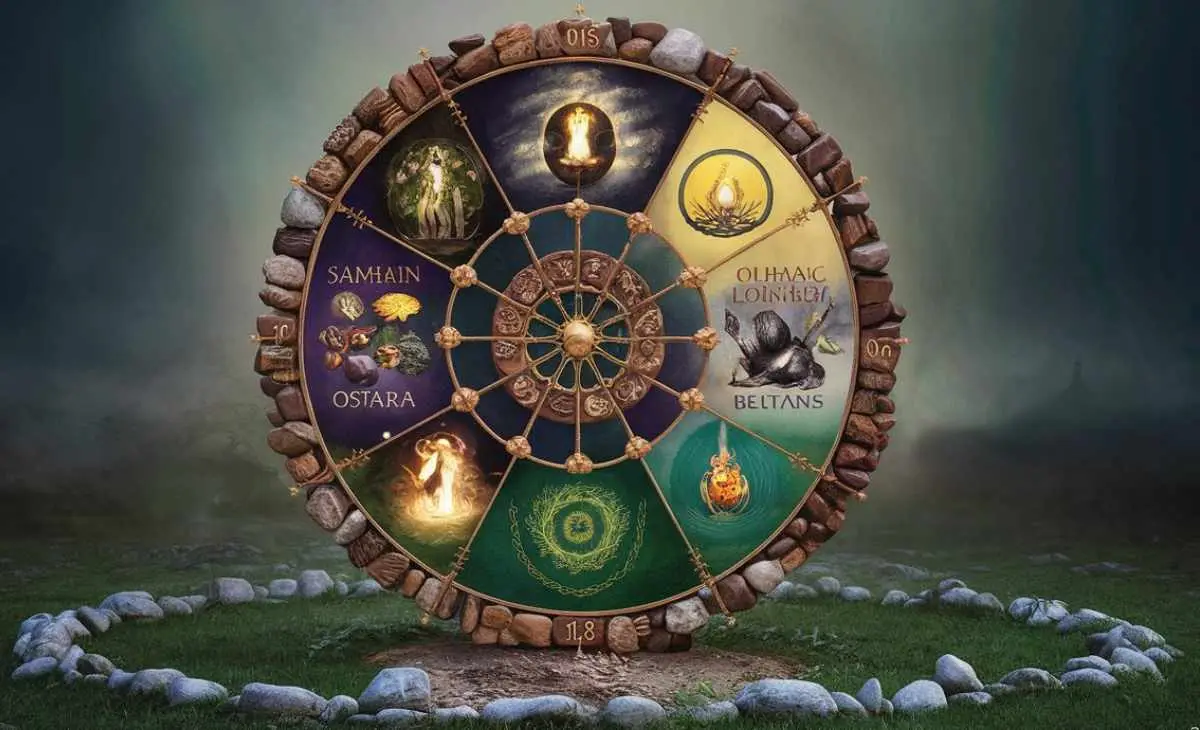
The Witch’s Year is an ancient calendar system rooted in the pagan traditions of Europe. Unlike the Gregorian calendar, the Witch’s Year follows the natural rhythms of the Earth and the changing of the seasons. At the heart of this cyclical calendar are the eight Sabbats, or seasonal festivals, that mark the progress of the year. From the Celtic New Year of Samhain to the autumn equinox of Mabon, the Witch’s Year provides a framework for honoring the cycles of nature, celebrating the Earth’s bounty, and cultivating a deep reverence for the natural world.
The Witch’s Year begins with Samhain, also known as Halloween. This cross-quarter festival, falling midway between the autumnal equinox and the winter solstice, is considered the Celtic New Year and a time when the veil between the worlds of the living and the dead is believed to be at its thinnest. Witches and pagans honor their ancestors, reflect on the past year, and welcome the coming of the darker half of the year. Rituals often involve honoring the dead, divination, and communing with unseen spiritual forces.
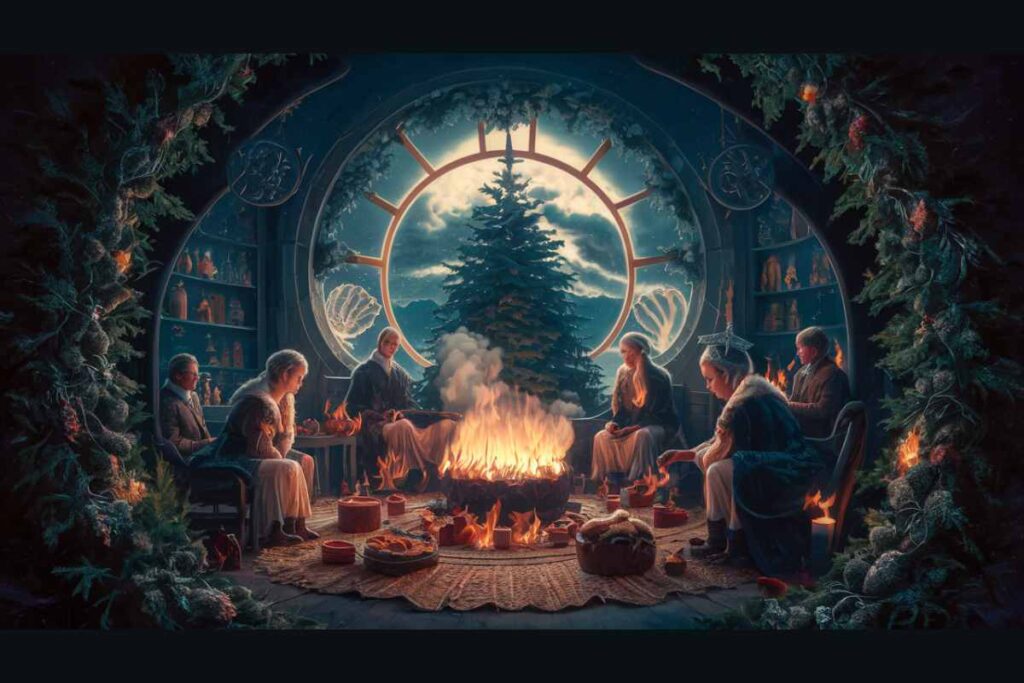
The winter solstice, known as Yule, marks the longest night of the year and the rebirth of the sun. Witches and pagans celebrate the return of the light, often with evergreen decorations, the burning of the Yule log, and rituals focused on renewal, hope, and the gradual lengthening of the days. This is a time of introspection, rest, and preparing for the year ahead.
As winter begins to give way to spring, the festival of Imbolc is celebrated. Also known as Candlemas, this cross-quarter festival honors the goddess Brigid and the first stirrings of new life. Witches and pagans may perform rituals to encourage the return of the sun, the awakening of the land, and the growing fertility of the earth. This is a time of cleansing, purification, and making plans for the coming growing season.
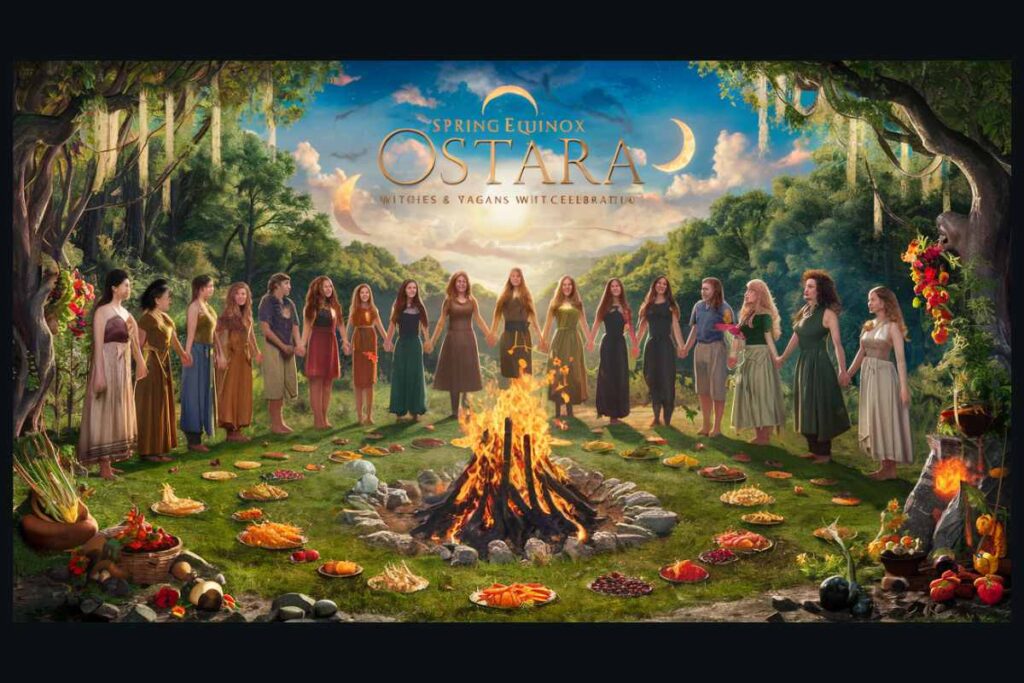
The spring equinox, known as Ostara, marks the arrival of the vernal equinox and the balance of day and night. Witches and pagans celebrate the renewal of the earth, the blossoming of new life, and the promise of the fertile season to come. Rituals often focus on rebirth, growth, and the balance between light and dark, masculine and feminine energies.
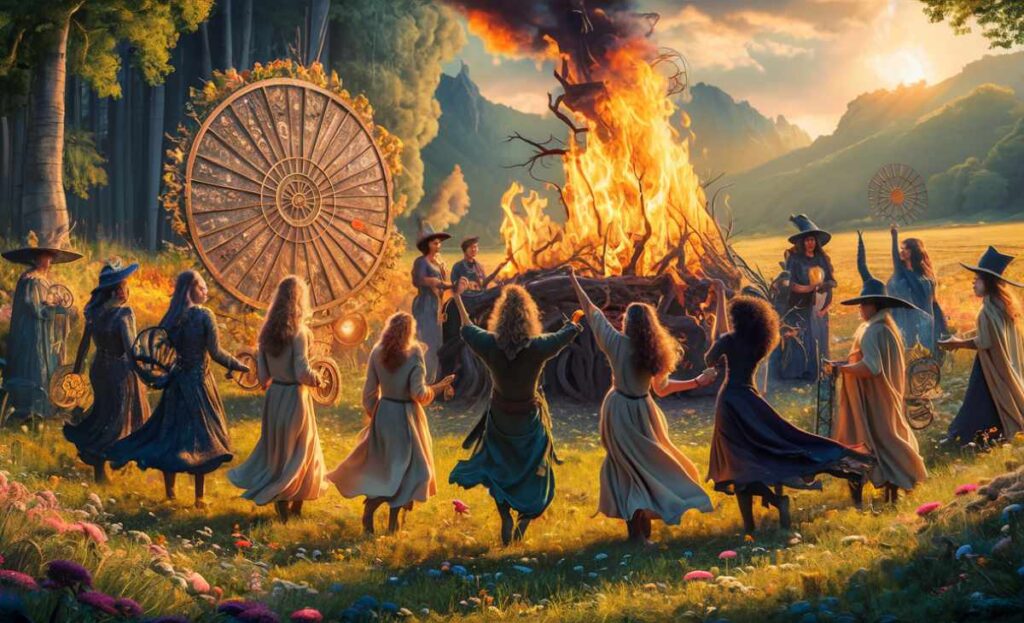
The cross-quarter festival of Beltane marks the midpoint between the spring equinox and the summer solstice. Witches and pagans celebrate the peak of spring, the union of the goddess and god, and the burgeoning fertility of the land. Rituals may involve the Maypole, the lighting of bonfires, and the honoring of the elements and natural forces that sustain life.
The summer solstice, known as Litha, is the longest day of the year and a time of abundance, growth, and the power of the sun. Witches and pagans celebrate the height of the solar year, the flourishing of the natural world, and the masculine energy of the sun. Rituals may focus on manifestation, abundance, and the recharging of personal and spiritual batteries.
The cross-quarter festival of Lughnasadh, also known as Lammas, marks the beginning of the harvest season. Witches and pagans honor the first fruits of the land, the waning of the sun’s power, and the gradual transition into the darker half of the year. Rituals may involve the gathering of the first grains, the honoring of the god Lugh, and the acceptance of the cycle of life, death, and rebirth.
The autumn equinox, known as Mabon, is a time of balance, harvest, and the preparation for the winter ahead. Witches and pagans celebrate the bountiful harvest, the turning of the wheel, and the balance between light and dark. Rituals may focus on gratitude, the acceptance of change, and the storing of resources for the leaner months to come.
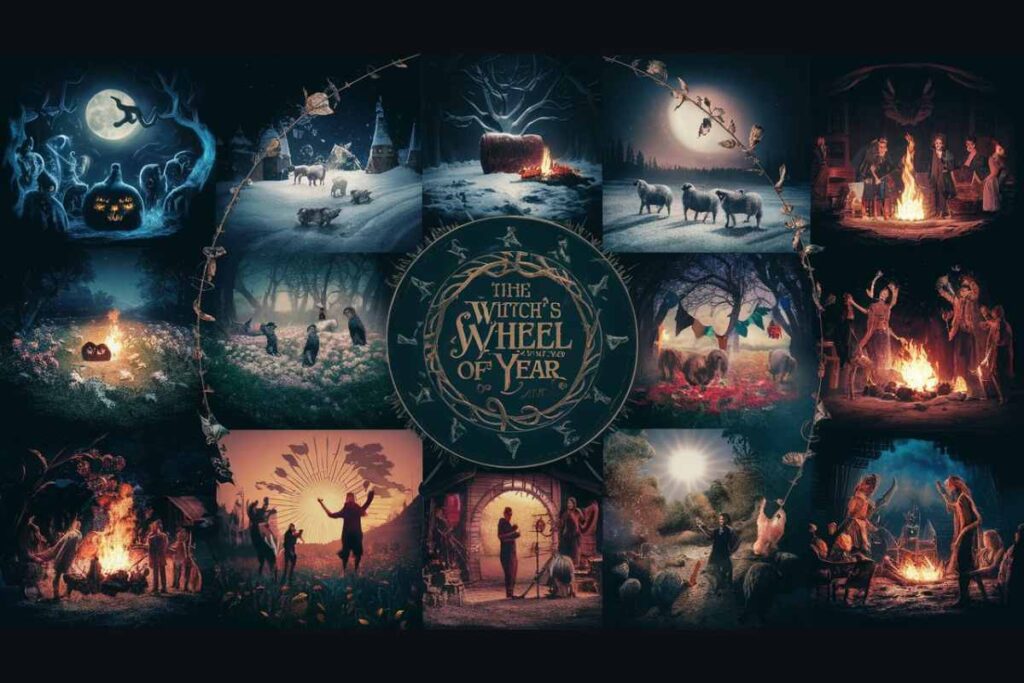
The Witch’s Year is a rich and meaningful way of connecting with the natural cycles of the earth, the rhythms of the seasons, and the deep wisdom of ancient pagan traditions. By honoring the eight Sabbats and the ebb and flow of the solar year, witches and pagans can cultivate a deeper sense of harmony with the natural world, a greater understanding of their place within the great wheel of life, and a reverence for the cyclical nature of existence itself.
In the following series we’ll expand upon each sabbath and how to celebrate the natural rhythm of our planet and the cycles of the seasons.

Your first steps into magic should feel safe, grounded, and empowering. 🕯️ For the Embers of the World If you’re new to witchcraft and you’re
Your Pillar Guide to Practicing Magic with Confidence, Safety, and Heart Introduction Every magical journey begins with a single spark — a feeling, a pull,

Meet the Witchling Who Will Light the Way for New Practitioners Every magical path begins with a spark — that tiny, glowing feeling that whispers,

How to Recognize Growth in Self + Others Healing isn’t a straight line — it’s a spiral. A whirlwind that moves us forward, backward, and
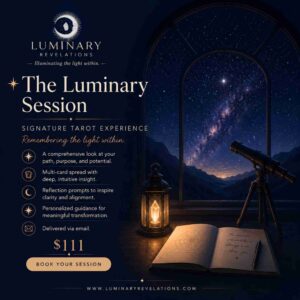
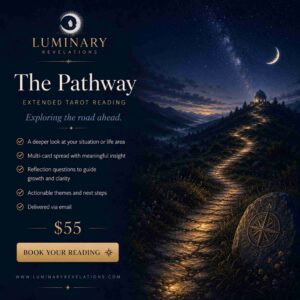
Experience the mystical allure of Luminary Revelations’ offerings, where ancient wisdom meets modern insight. From personalized tarot readings to artisanal candles and enchanting spellcraft, our products illuminate your path to self-discovery, empowerment, and spiritual fulfillment. Unlock the secrets of the universe and embrace the magic within with Luminary Revelations.