🔥 Witchcraft 101: A Gentle Guide for Beginners
Your first steps into magic should feel safe, grounded, and empowering. 🕯️ For the Embers of the World If you’re new to witchcraft and you’re
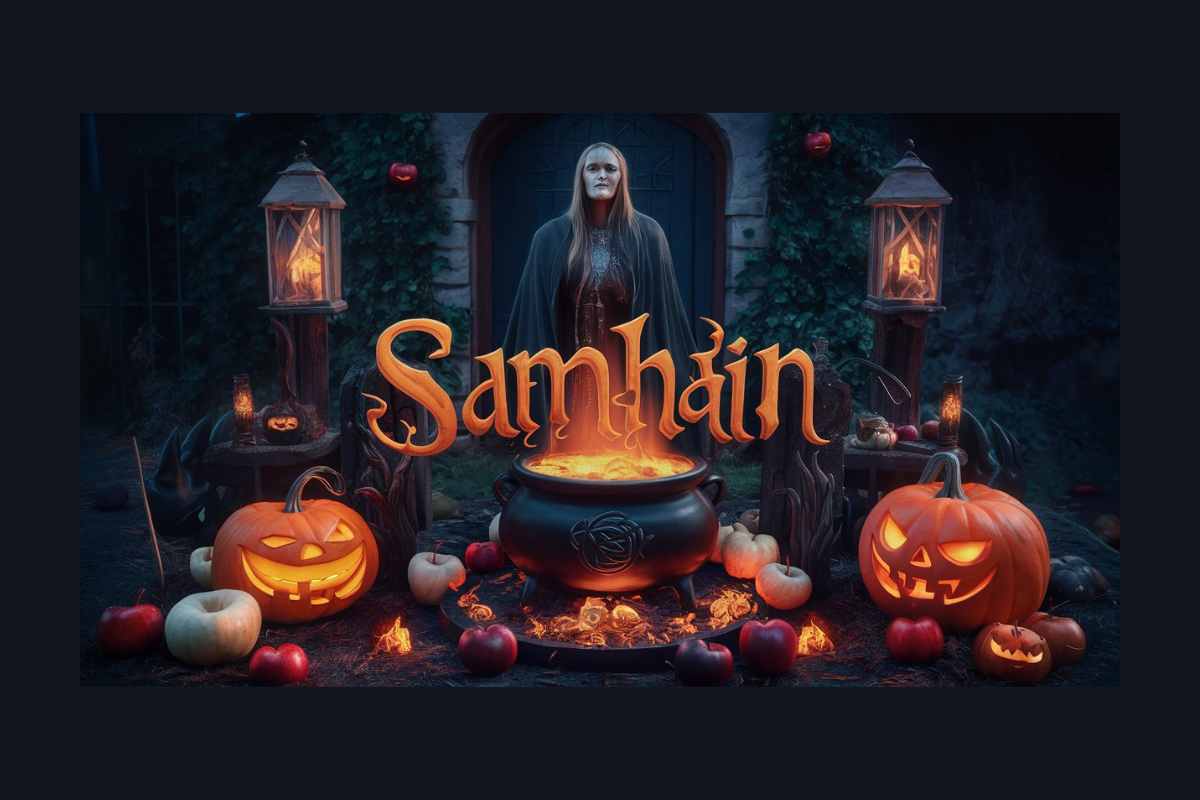
As the chill of late autumn settles in and the days grow shorter, the ancient festival of Samhain comes into focus—a celebration that intertwines the beliefs and practices of Paganism, Wicca, and witchcraft with the natural cycle of the Earth’s seasons. Samhain, pronounced “sow-in,” is a Gaelic word meaning “summer’s end,” marking the transition from the abundance of the harvest season to the dark, introspective months of winter.
Samhain is one of the most significant festivals in the Pagan calendar, with roots tracing back over 2,000 years to the ancient Celtic regions of Europe. Samhain was traditionally seen as a time when the veil between the physical world and the spiritual realm was at its thinnest. This belief made it an ideal time to honor ancestors, communicate with spirits, and prepare for the coming winter.
For the Celts, Samhain was not just a festival but a pivotal point in the agricultural year. It marked the final harvest, a time to gather and store crops before the onset of winter. Livestock was also slaughtered and preserved for the long, cold months ahead. The end of the harvest season was seen as the death of the old year and the beginning of a new cycle. Embodying the concept of death and rebirth that is central to many Pagan beliefs.
Paganism, a broad term encompassing various nature-based religions, holds the natural cycles of the Earth in high regard. These cycles—birth, life, death, and rebirth—are reflected in the changing seasons, with Samhain representing the end of the life cycle and the beginning of a new one.
In Pagan belief, the cycle of the seasons is mirrored in the human experience. Samhain is a time to honor the dead, not with fear, but with reverence and understanding. This perspective is central to many Pagan traditions, where the natural world is seen as a reflection of the spiritual world.
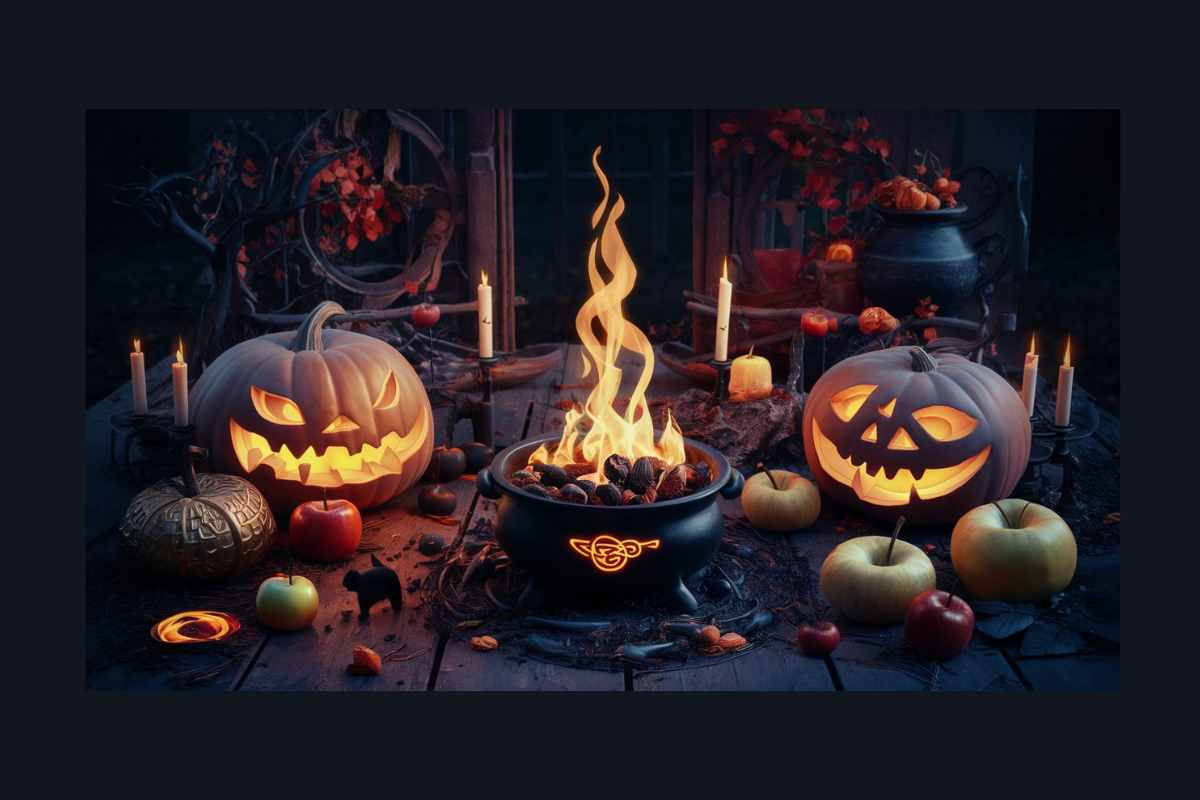
The figure of the witch is often associated with Samhain, both in popular culture and within Pagan and Wiccan practices. Witches, in the context of Paganism and Wicca, are practitioners of magic who work with the natural world and its energies. Samhain, with its thin veil between worlds, is considered a potent time for magic and divination.
Historically, witches were believed to gather on Samhain to perform rituals, cast spells, and communicate with the dead. There is truth in the idea that Samhain is a time of heightened spiritual activity. Many witches use this time for reflection, setting intentions for the coming year, or connecting with their ancestors.
Wicca, a modern Pagan religion that draws on a variety of ancient traditions, places great importance on the Wheel of the Year, an annual cycle of seasonal festivals. Samhain is one of the eight Sabbats, or holy days, in the Wiccan calendar and is often considered the most important.
For Wiccans, Samhain is a time to honor the Crone aspect of the Goddess, a representation of the wise old woman who governs the final stages of the life cycle. It is also a time to honor the Horned God, who dies at Samhain and is reborn at Yule, the winter solstice. This symbolism reflects the deep connection between life, death, and rebirth that is central to Wiccan beliefs.
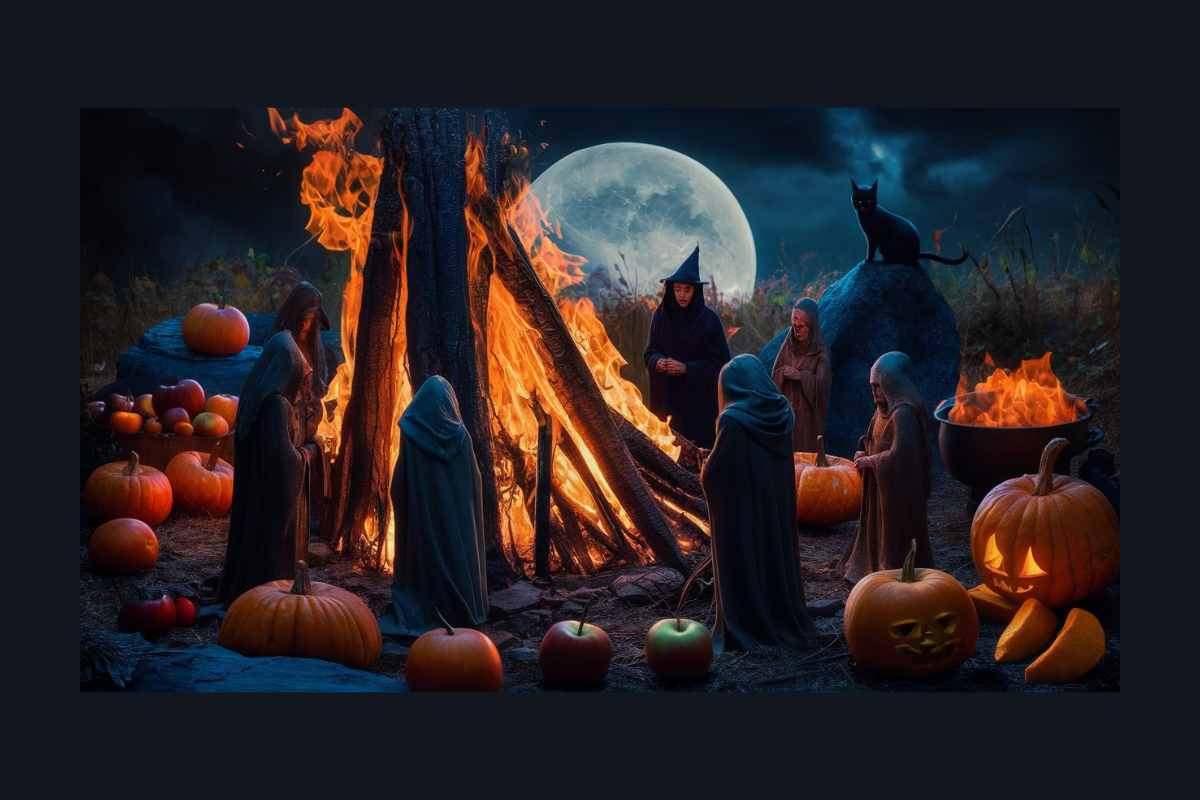
At its core, Samhain is a celebration of the Earth’s natural cycles. The transition from autumn to winter is a powerful reminder of the impermanence of life and the importance of preparing for the future. As the days grow shorter and the nights longer, the world around us enters a period of rest and renewal.
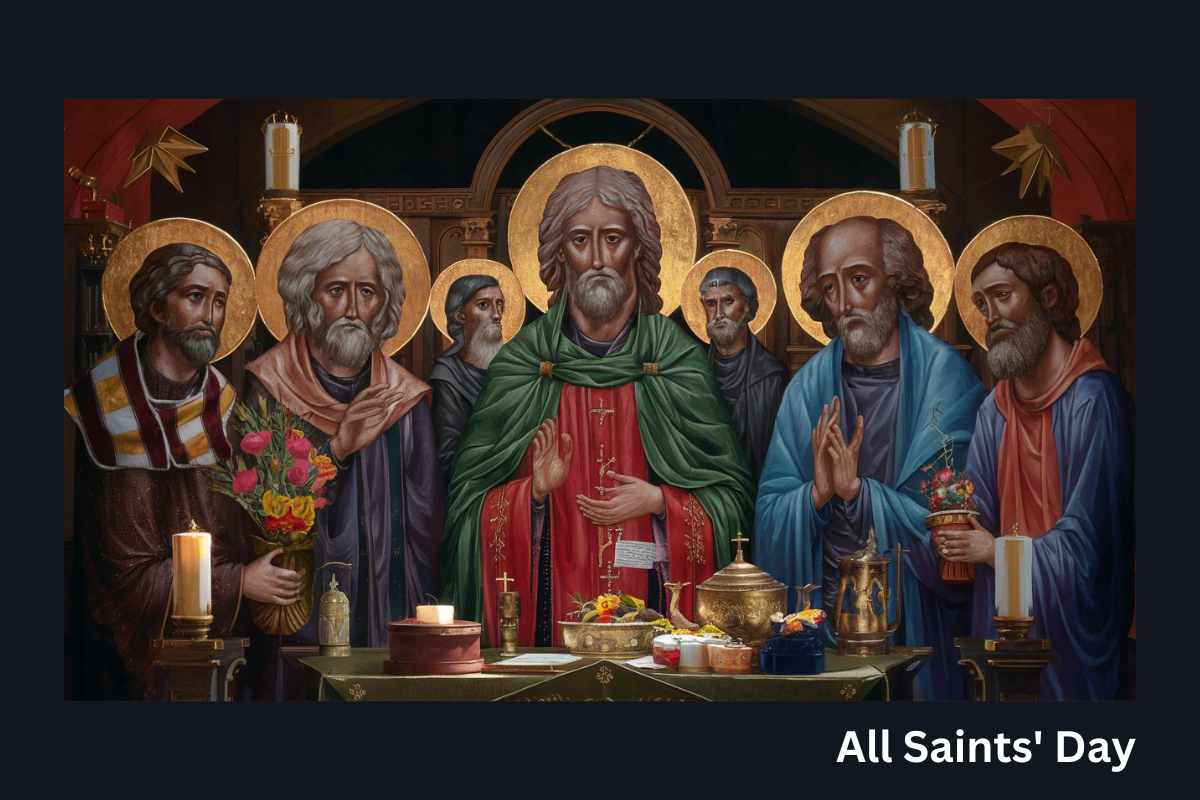
All Saints’ Day, celebrated on November 1, is a significant day in the Christian calendar. It honors all Christian saints, both known and unknown, who have attained heaven. A day the faithful remember the lives of the saints and reflect on their own spiritual journey, aspiring to live a life that mirrors the holiness of the saints.
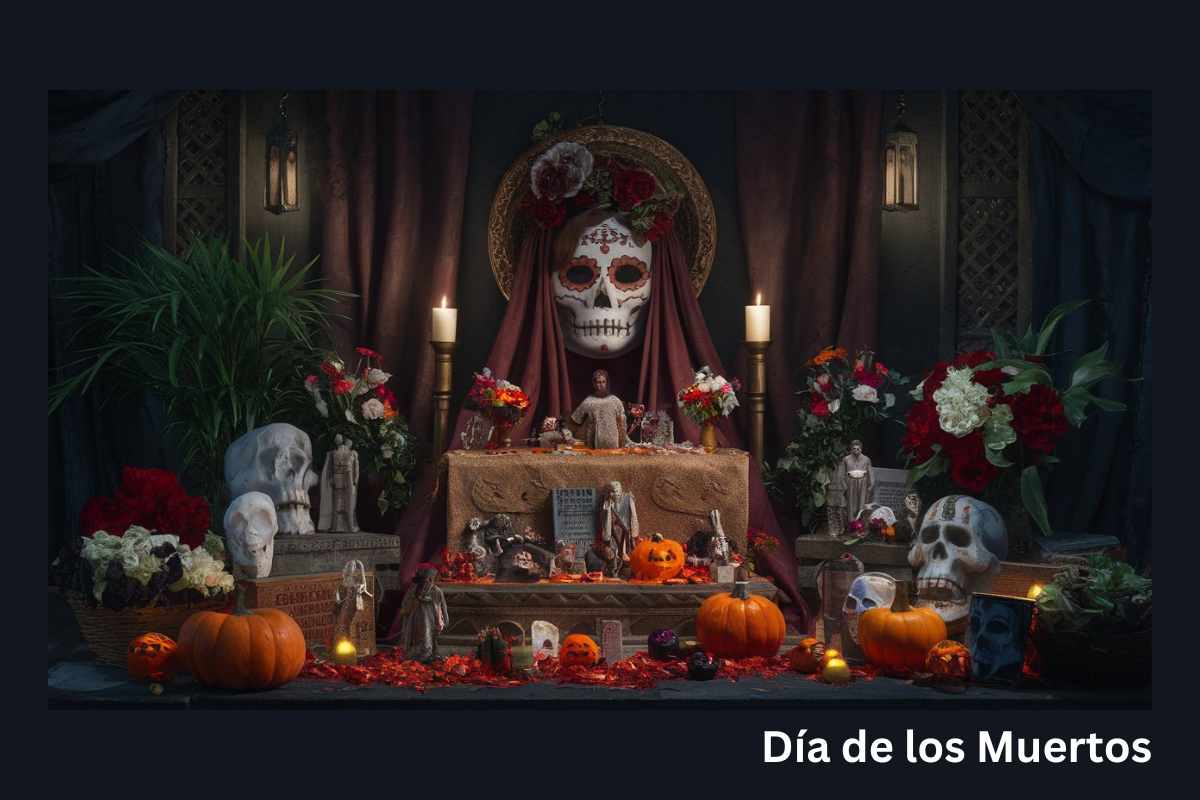
Día de los Muertos is a vibrant celebration that emphasizes the continuity of life, a Mexican holiday celebrated on November 1-2. Families visit gravesites, clean and decorate them, and spend time reminiscing about their loved ones. It is a time of joy and remembrance, where death is seen not as an end, but as a part of life’s ongoing cycle.
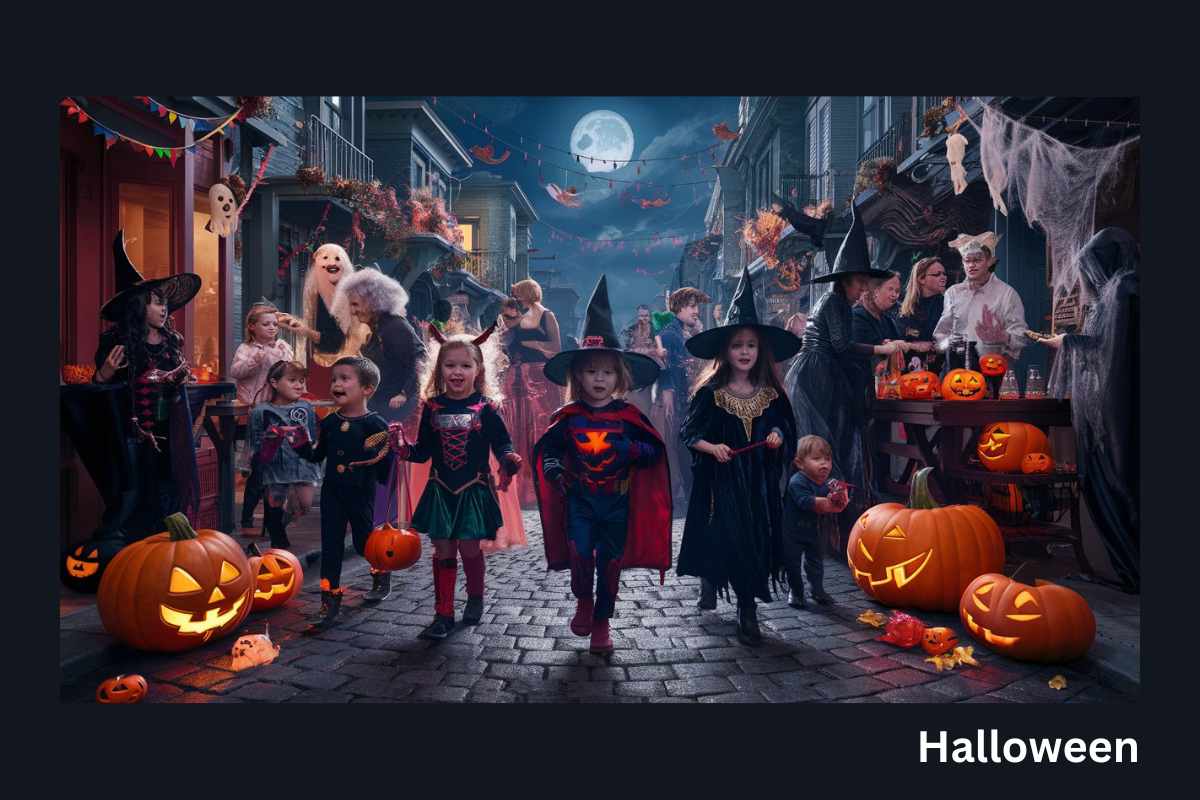
Halloween, celebrated on October 31, has roots in both Samhain and All Saints’ Day, though it is primarily a secular holiday today. It is widely observed in many countries with activities such as trick-or-treating, costume parties, and pumpkin carving. The tradition of dressing in costumes and gathering for festive activities links back to ancient practices of warding off spirits during Samhain.
Samhain, with its deep historical roots and rich symbolism, remains a powerful celebration of the natural cycles that govern our lives. We see the cyclical nature of life, death, and rebirth—a theme that resonates across various spiritual traditions. Whether it is the Pagan honoring of ancestors, the Wiccan reverence for the Crone and the Horned God, or the witch’s practice of magic and reflection, Samhain offers a space for contemplation, connection, and renewal.
Samhain invites us to embrace the mysteries of the Earth’s cycles. To find strength in the darkness, to honor the past, and to look forward to the rebirth that lies ahead. In doing so, we engage with the ancient wisdom that has guided countless generations and continues to inspire us today.

Your first steps into magic should feel safe, grounded, and empowering. 🕯️ For the Embers of the World If you’re new to witchcraft and you’re
Your Pillar Guide to Practicing Magic with Confidence, Safety, and Heart Introduction Every magical journey begins with a single spark — a feeling, a pull,

Meet the Witchling Who Will Light the Way for New Practitioners Every magical path begins with a spark — that tiny, glowing feeling that whispers,

How to Recognize Growth in Self + Others Healing isn’t a straight line — it’s a spiral. A whirlwind that moves us forward, backward, and
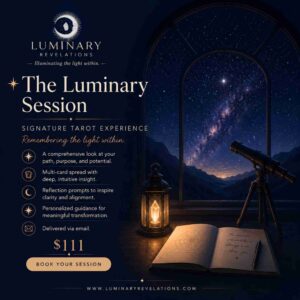
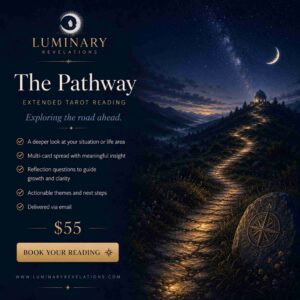
Experience the mystical allure of Luminary Revelations’ offerings, where ancient wisdom meets modern insight. From personalized tarot readings to artisanal candles and enchanting spellcraft, our products illuminate your path to self-discovery, empowerment, and spiritual fulfillment. Unlock the secrets of the universe and embrace the magic within with Luminary Revelations.