🔥 Witchcraft 101: A Gentle Guide for Beginners
Your first steps into magic should feel safe, grounded, and empowering. 🕯️ For the Embers of the World If you’re new to witchcraft and you’re
Yule is a significant winter festival celebrated by many Pagans and modern witches. Typically observed around the time of the winter solstice. This ancient celebration marks the longest night and shortest day of the year. Symbolizing the rebirth of the sun and the gradual return of light to the world. Yule is a time of hope, renewal, and looking forward to the coming spring, even as winter settles in.
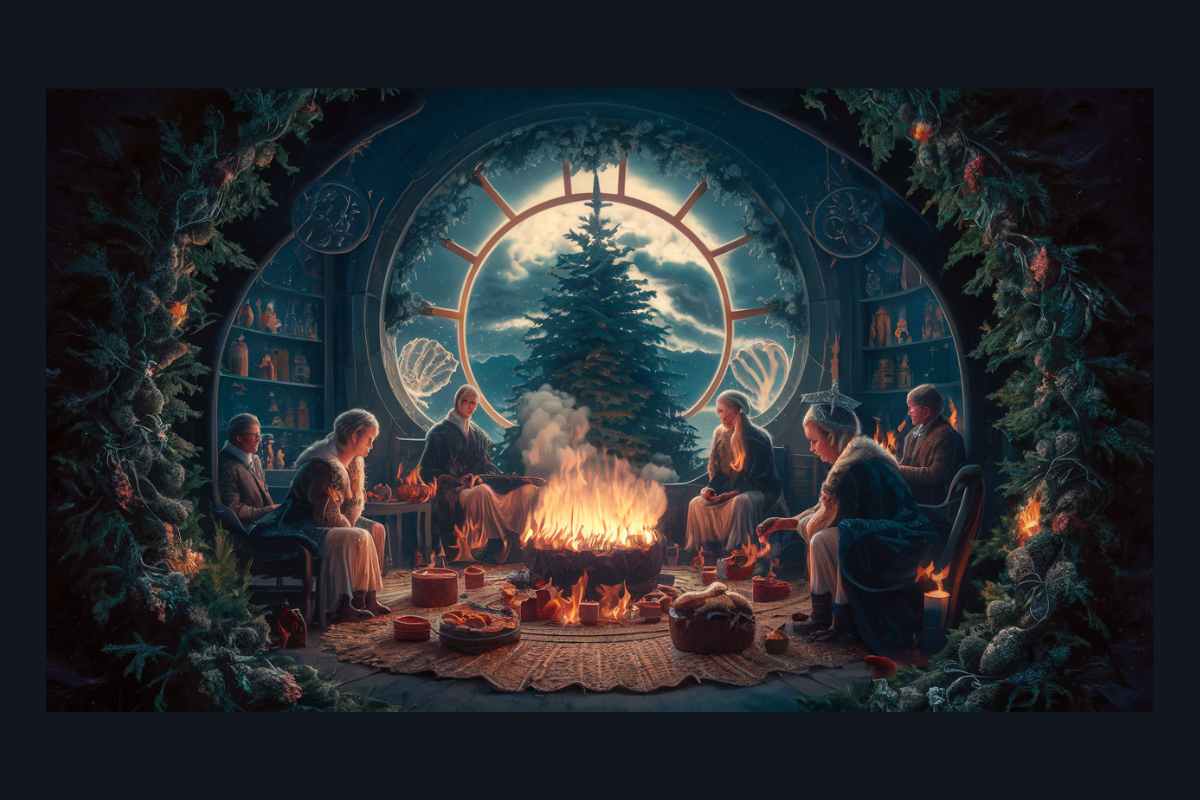
Yule predates Christianity and has its roots in various European winter solstice festivities. A celebration that is deeply connected to the rhythms of nature, particularly the cycle of the sun. In Pagan traditions, Yule is often seen as the time when the Horned God is reborn of the Goddess, symbolizing the renewal of life and the promise of longer days ahead. The festival’s emphasis on light and rebirth has influenced many aspects of modern Christmas celebrations.
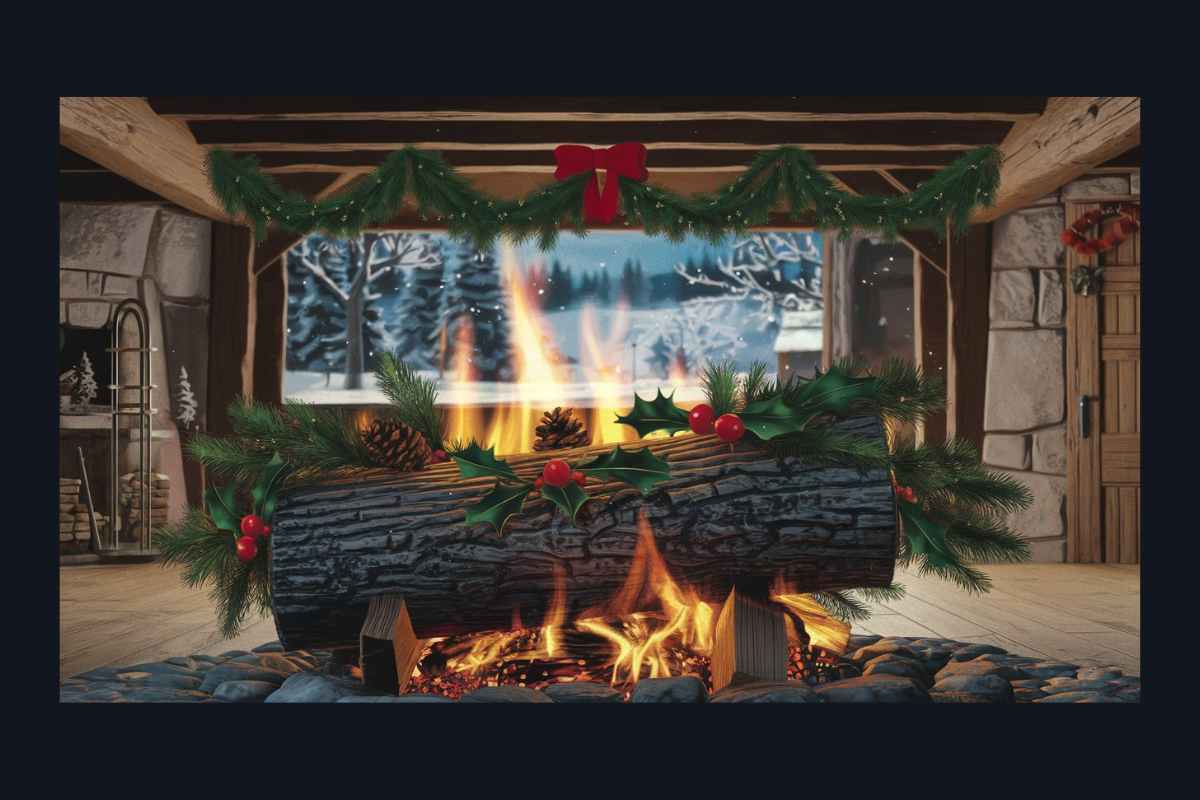
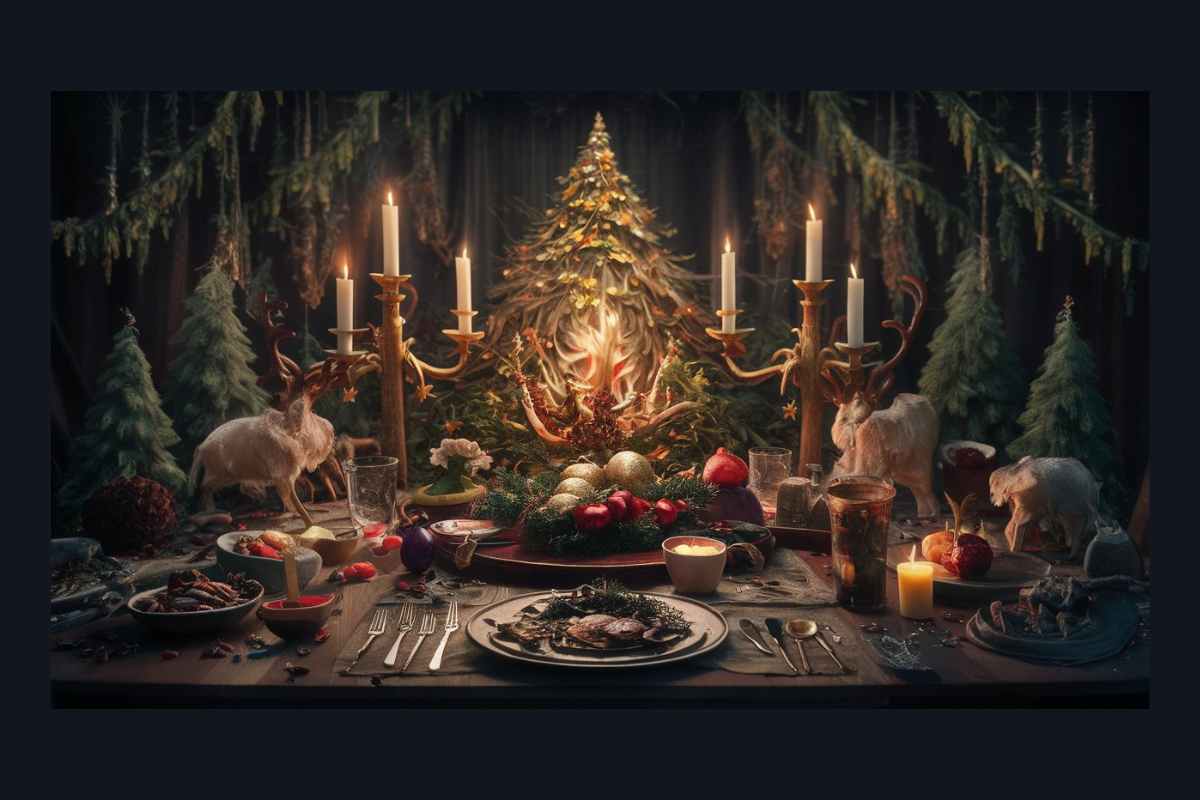
One of the most iconic traditions of Yule is the burning of the Yule log. A large oak log decorated with evergreen boughs, holly, and pinecones. Symbolizing eternal life and protection; the log is lit using a piece of the previous year’s Yule log. Using the previous log emphasizes the continuity of life and the cyclical nature of the seasons. Some families use the ashes for protection or scattered in fields to promote fertility.
Evergreens play a central role in Yule celebrations, symbolizing life and resilience during the darkest time of the year. Holly, ivy, mistletoe, and pine boughs are used to decorate homes, representing eternal life and protection. Wreaths are hung on doors, symbolizing the wheel of the year and serving as protective charms.
Yule is celebrations are centered around the family and community. Many participate in rituals within and outside of the home that include candle lighting, gift giving, carol singing, and creating altars.
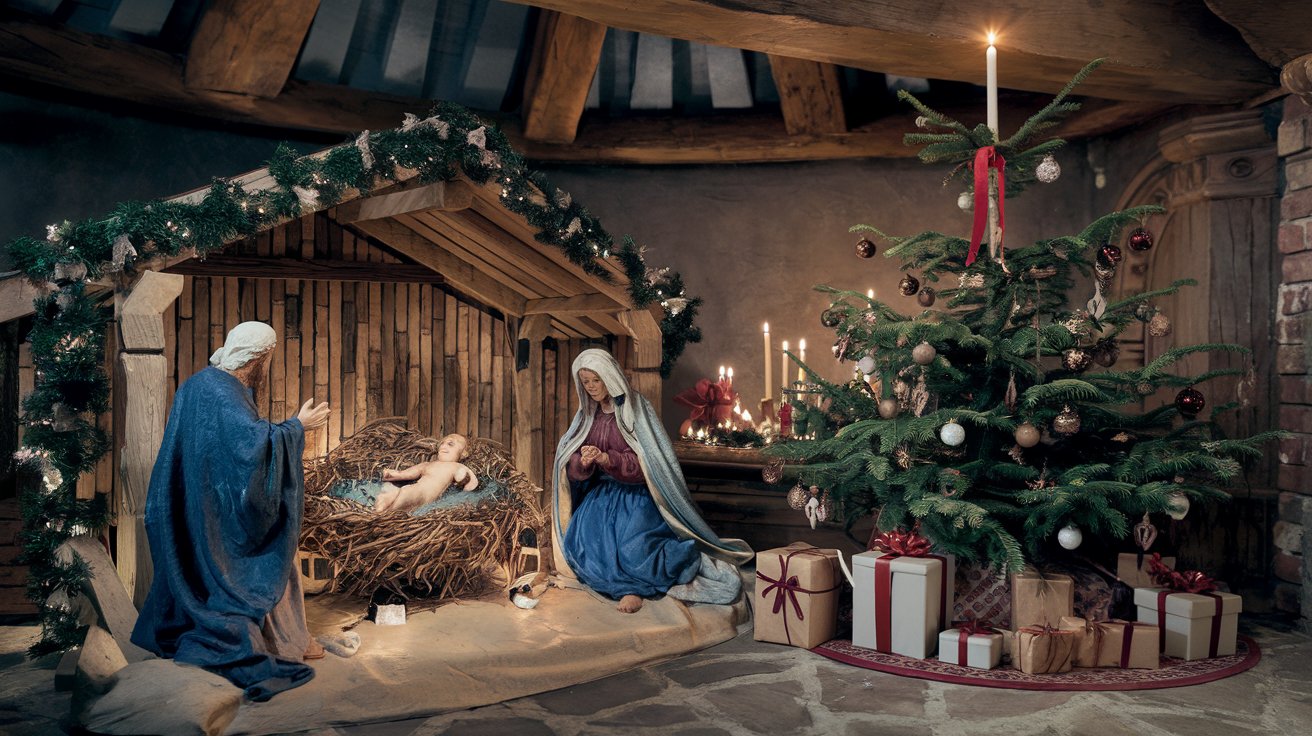
Christmas, celebrated on December 25th, observed for the birth of Jesus Christ. Many use nativity scenes to depict of the birth of Jesus, reflect the religious significance of the holiday. The decoration of Christmas trees and gift giving mirrors the Yule tradition and symbolizes the gifts given to the baby Jesus Christ.
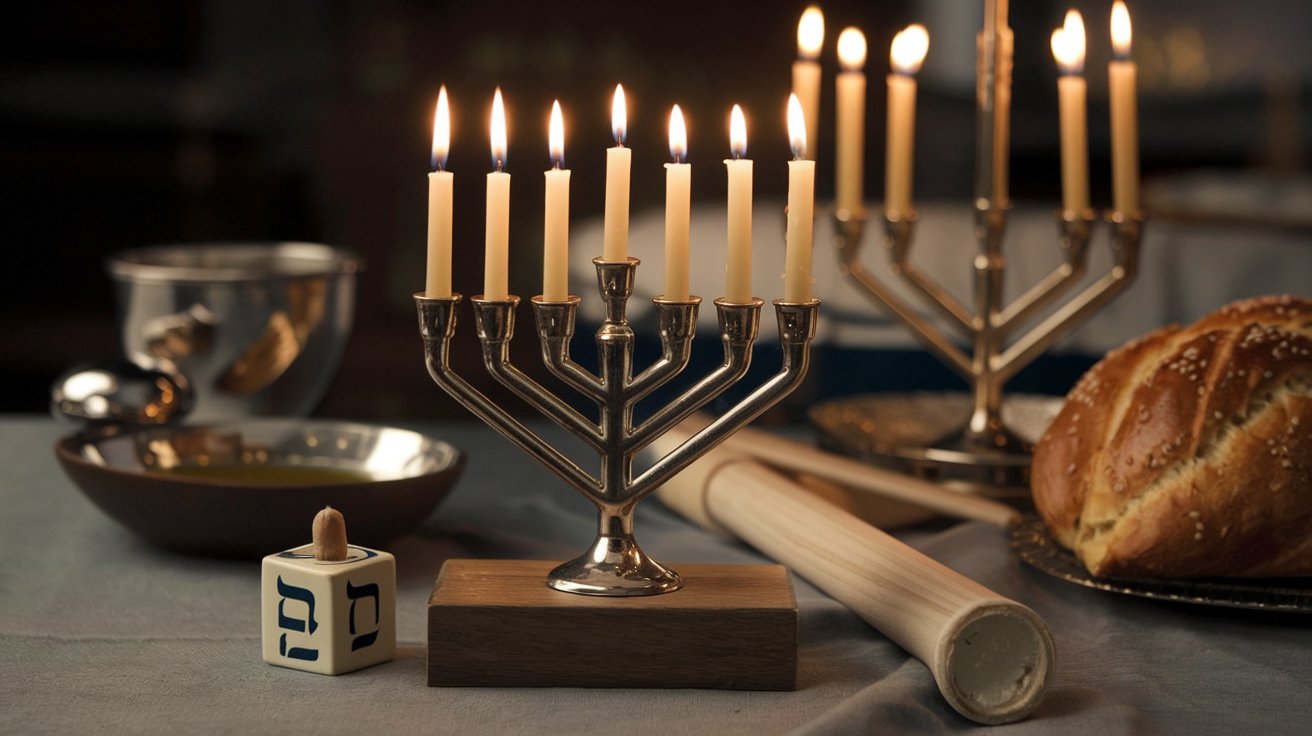
Hanukkah, also known as the Festival of Lights, is an eight-day Jewish celebration that usually falls around the time of the winter solstice. Each night, a candle is lit on the menorah, symbolizing the miracle of the oil that burned for eight days in the Second Temple of Jerusalem. Many families celebrate by playing games, such as dreidel, and sharing traditional foods fried in oil like latkes (potato pancakes) and sufganiyot (jelly doughnuts).
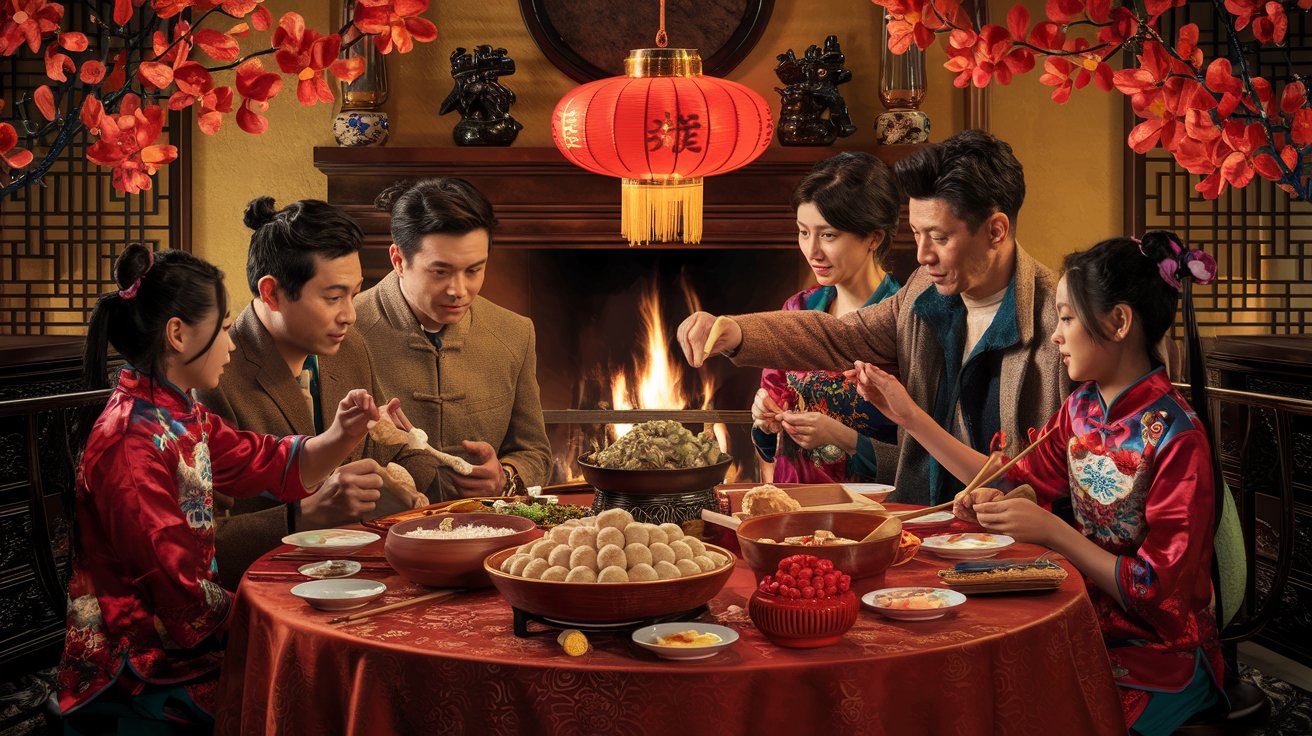
The Dongzhi Festival is a traditional Chinese holiday that honors the winter solstice and the return of longer daylight hours. Eating tangyuan (sweet rice balls) symbolizes family unity. Along with the wish for happiness and prosperity in the coming year. Like Yule, Dongzhi involves honoring ancestors and acknowledging the cyclical nature of life.
Whether celebrated in its traditional form or adapted to modern practices, Yule offers a meaningful way to engage with the mysteries of life, death, and rebirth. To celebrate the return of the light in the darkest time of the year. Yule invites us to reflect on the past, embrace the present, and look forward to the future with hope and anticipation.

Your first steps into magic should feel safe, grounded, and empowering. 🕯️ For the Embers of the World If you’re new to witchcraft and you’re
Your Pillar Guide to Practicing Magic with Confidence, Safety, and Heart Introduction Every magical journey begins with a single spark — a feeling, a pull,

Meet the Witchling Who Will Light the Way for New Practitioners Every magical path begins with a spark — that tiny, glowing feeling that whispers,

How to Recognize Growth in Self + Others Healing isn’t a straight line — it’s a spiral. A whirlwind that moves us forward, backward, and
Experience the mystical allure of Luminary Revelations’ offerings, where ancient wisdom meets modern insight. From personalized tarot readings to artisanal candles and enchanting spellcraft, our products illuminate your path to self-discovery, empowerment, and spiritual fulfillment. Unlock the secrets of the universe and embrace the magic within with Luminary Revelations.